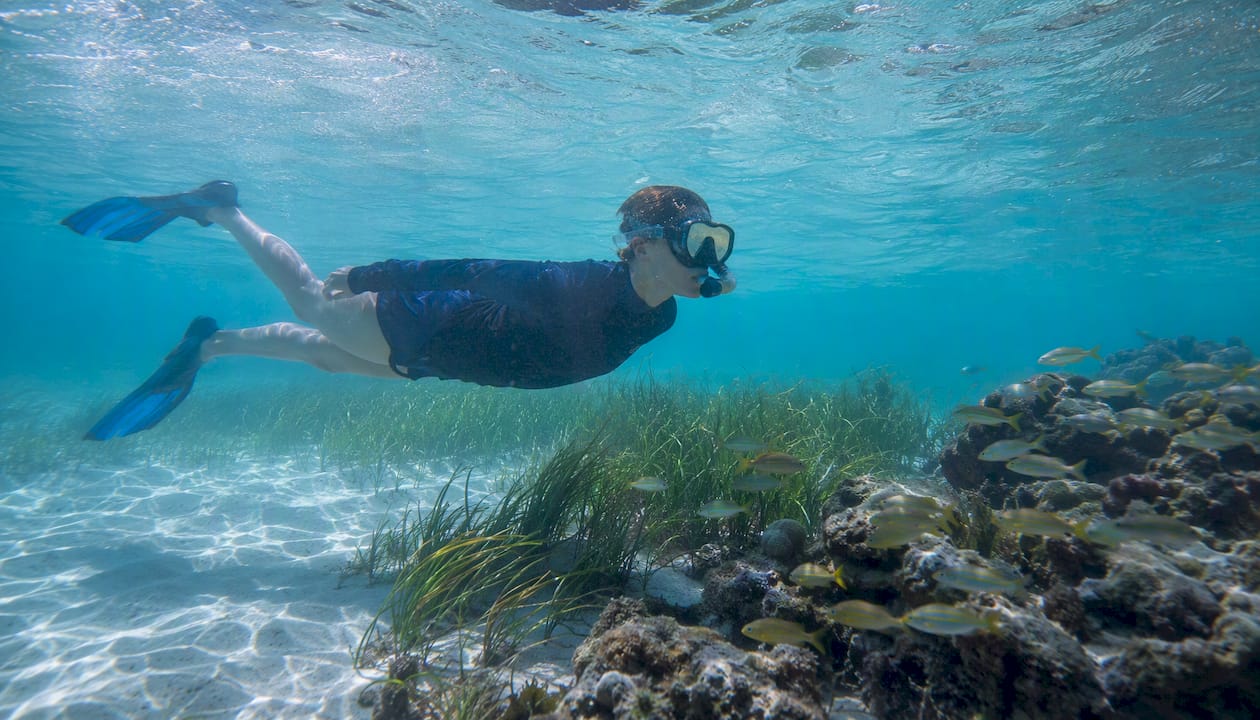
Yes, Orange Beach offers family-friendly snorkeling at a handful of shore and nearshore sites, and it’s worth planning a trip around. The Alabama Point jetties, Perdido Pass jetties, Poseidon’s Playground, the Whiskey Wreck, and the Robinson Island turtle grass beds are the spots locals point beginners toward first.
Snorkeling in Orange Beach works best for families and first-timers when conditions cooperate, and a guided trip stacks the odds in your favor because operators pick the day’s site based on tide and visibility rather than a fixed schedule. One rule matters more than any packing list: never enter the water when two red flags are flying.
-
Alabama Point jetties — shore access, rocky structure, crabs and small tropical fish
-
Perdido Pass jetties — easy entry, varied marine life near the inlet
-
Poseidon’s Playground — nearshore artificial reef, short boat ride
-
Whiskey Wreck — shallow wreck in 15 to 25 feet of water
-
Robinson Island — calm, shallow turtle grass beds, ideal for kids
Key Takeaways
Snorkeling in Orange Beach delivers the best results when families match the right site to the day’s tide and wind rather than a fixed schedule or a single favorite beach.
| Point | Details |
|---|---|
| Match site to conditions | Choose Alabama Point or Robinson Island on calm days; save the Whiskey Wreck for clear-water charter days. |
| Respect the flag system | Never enter the water when two red flags are flying; it’s illegal within city limits. |
| Time it by tide, not date | Book late-morning trips on incoming or slack tide for the clearest water. |
| Guided trips add flexibility | Charters pick the day’s best site in real time, often outperforming a fixed shore plan. |
| Book lodging near the pass | Gulfshoresalabama’s rental marketplace helps you find beachfront stays close to jetties and marinas. |
Table of Contents
Best Snorkeling Spots in and Around Orange Beach
Each of these sites solves a different problem for a different kind of snorkeler, from the parent wading in with a toddler to the teenager chasing a wreck dive story.
-
Alabama Point jetties. This is the most convenient shore-accessible option in Orange Beach. The rock jetty creates a rough, textured habitat that draws crabs, hermit crabs, and small tropical fish that shelter between the boulders. Visibility swings with the tide, but local guides note it can reach up to 25 feet on a good day. Time your visit for incoming or slack tide, since a strong outgoing tide stirs sediment and cuts visibility fast.
-
Perdido Pass jetties and reef. The pass connects the Gulf to Cotton Bayou, and that current brings a wider mix of fish than you’ll find on an open beach. Entry points along the jetty are relatively forgiving, though the moving water near the inlet mouth demands more caution than a calm cove.
-
Poseidon’s Playground. This nearshore artificial reef sits roughly three miles south of Perdido Pass, reachable by a short charter ride. Statues and reef structure attract a dense, colorful fish population, making it a favorite for operators running half-day trips.
-
The Whiskey Wreck. Sitting about 150 feet offshore in 15 to 25 feet of water, this shallow wreck delivers one of the more dramatic sights in the area. Visibility here is the least predictable of the group, since it sits closer to boat traffic and open Gulf swell.
-
Robinson Island turtle grass beds. Shallow, calm, and packed with fish that graze the grass beds, this is the site to pick for a toddler’s first swim with a mask on. Local waters around these sites host a great variety of fish species, and the turtle grass beds concentrate a good share of them in water shallow enough to stand in.
Guided Snorkeling Trips vs. Shore Snorkeling
Booking a guided trip buys you something a map can’t give you: real-time judgment. Operators watch tide charts, wind direction, and recent water clarity reports, then choose whichever site is fishing best that morning. A local charter’s own guidance confirms this is standard practice, and it often produces a better outcome than a family driving straight to one fixed beach regardless of conditions.
A typical guided outing follows a predictable rhythm:
-
Safety briefing and gear check at the dock
-
A 15 to 30 minute ride out to the day’s chosen site
-
45 to 60 minutes in the water, sometimes split across two spots
-
An optional dolphin watch on the return leg
Most charters supply sanitized masks, fins, and snorkels, so you don’t need to own gear before your first trip. Private charters tend to run a more relaxed pace than group boats, which matters if you’ve got a nervous seven-year-old adjusting to a mask for the first time. A guided snorkel and dolphin tour out of a local marina illustrates this format well, with roughly two to two and a half hours total from dock to dock.
Pro Tip: Before booking, ask the operator two questions: how they decide which site to visit that day, and whether kids get life vests in addition to a mask and snorkel. The answers tell you a lot about how the trip will actually run.
Best Conditions, Timing, and Seasonality
Late spring through early fall usually delivers the best overall snorkeling conditions in Orange Beach, with warmer water and more active marine life. Winter can occasionally produce clearer water, but you’ll be swimming in a wetsuit, if at all.
Within any given week, though, timing matters more than the season on the calendar:
-
Aim for late morning departures, when the sun angle improves underwater visibility
-
Target incoming or slack high tide, since a hard outgoing tide churns up sand
-
Check wind and surf forecasts the night before, not just the sky that morning
A sunny, cloudless day can still be a poor snorkeling day if onshore wind has been kicking up surf for 48 hours. Insiders schedule around wind and tide, not the forecast icon, and that’s the single habit that separates a clear-water outing from a murky one.
Safety, Beach Rules, and Local Warnings
Orange Beach and Gulf Shores post color-coded flags at every public beach access point, and knowing them isn’t optional.
-
Green — low hazard, calm conditions
-
Yellow — moderate surf or currents, use caution
-
Red — high hazard
-
Purple — dangerous marine life present, such as jellyfish
Within the city limits of Gulf Shores and Orange Beach, it is illegal to enter the water when two red flags are displayed. This isn’t a suggestion; lifeguards and beach patrol can enforce it.
The City of Gulf Shores staffs guarded beaches from March through October, and that seasonal coverage is worth building a trip around if you’re snorkeling with young kids. Rip currents tend to form near sandbar breaks and around jetties and piers, so give active fishing spots a wide berth. If you get caught in one, swim parallel to the shore until you’re free of it, then angle back in. Beyond the immediate shallows, wear a high-visibility float or vest so passing boats can see you.
What to Bring and Basic Gear Tips
Getting the fit right solves most of the problems first-time snorkelers run into.
-
Mask. Press it to your face without the strap; it should seal and stay put without suction from your hand. A leaky mask ruins a trip faster than anything else.
-
Snorkel and fins. Rent if you’re unsure of sizing. Open-heel fins with a strap work better over water shoes; full-foot fins fit best barefoot in calm, sandy spots like Robinson Island.
-
Snorkel vest for kids. Non-negotiable at jetty sites where footing gets uneven fast.
-
Reef-safe sunscreen, water shoes, and a dry bag. Jetty rocks are unforgiving on bare feet, and a dry bag keeps phones and keys safe on the swim out.
Pro Tip: Practice clearing your snorkel in the shallows before swimming out. A quick, sharp exhale clears water from the tube, and kids who master this in three feet of water panic far less in six.
Leave the reef and wreck structure alone once you’re in the water. Don’t touch or stand on coral, rock structure, or the wreck itself, and keep a respectful distance from any sea turtles or rays you spot.
Where to Stay for Easy Access to the Water
Picking the right rental shaves real time off your snorkel days. A beachfront condo near Perdido Pass puts you within walking distance of the jetties and a short drive from the marinas that run guided trips out to Poseidon’s Playground and the Whiskey Wreck.
When you’re browsing listings, prioritize:
-
Ground-floor or elevator beach access, especially with gear and kids in tow
-
On-site storage for masks, fins, and beach gear between outings
-
Parking that doesn’t require a shuttle at 7 a.m. with a cooler and two toddlers
Gulfshoresalabama’s vacation rental marketplace lets you filter directly for beachfront and family-friendly properties near these snorkel zones. If parking logistics are a concern, the Orange Beach condo parking guide breaks down what to expect at different building types before you book.
Accessibility and Parking at Snorkeling Sites
Parking varies a lot by site, and it’s worth knowing before you load the car with coolers and fins. Public beach access points near Alabama Point and Perdido Pass typically require paid parking at metered lots or public access lots, with rates and availability shifting by season. Summer weekends fill up fast, especially near the pass, so arriving before mid-morning gives you a better shot at a close spot.
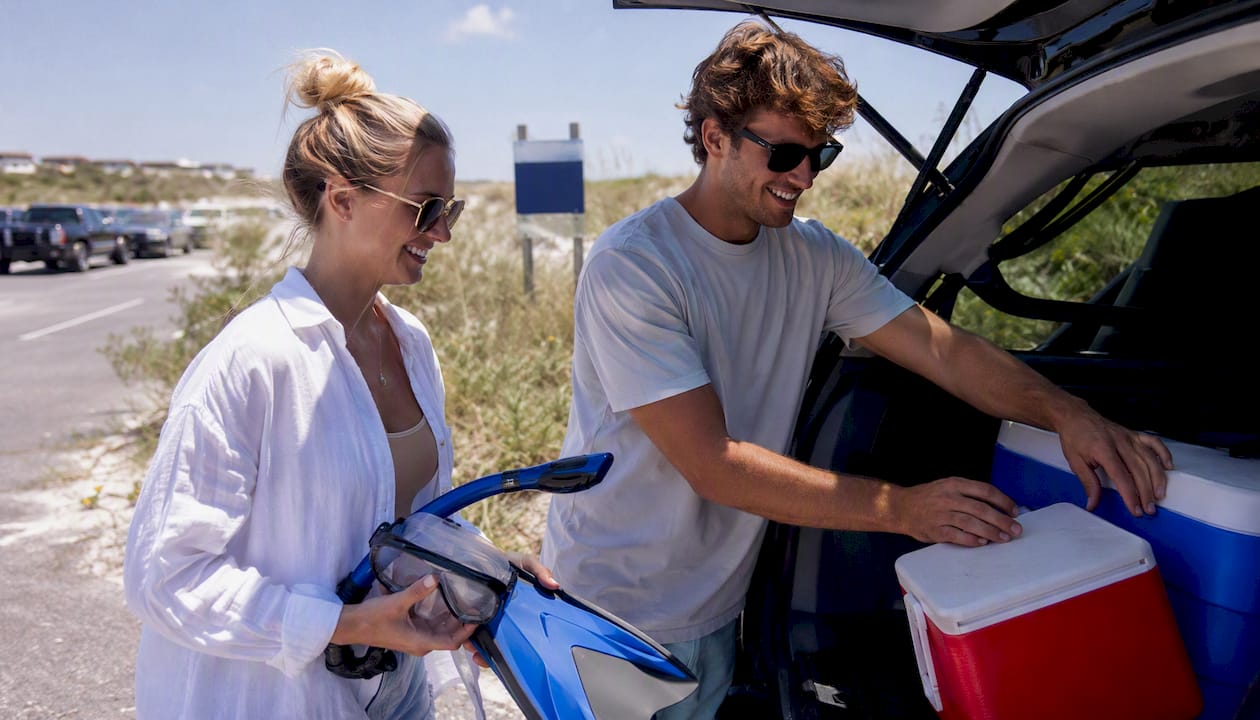
Shore-accessible sites like Alabama Point involve a walk across sand and, in some spots, over uneven jetty rock, which isn’t stroller-friendly and can be tough for anyone with mobility limitations. Robinson Island, by contrast, is typically reached by boat or paddle craft rather than a direct walk-in, which makes it a poor choice for a spontaneous solo trip but a good one for a guided outing where the operator handles transport.
Sites reached only by charter, like Poseidon’s Playground and the Whiskey Wreck, remove the parking question entirely since the boat departs from a marina with its own dedicated lot. That’s one more reason families with mobility concerns or lots of gear often lean toward booking a guided trip rather than hauling everything to a shore site themselves.
For a full breakdown of rates and lot locations, the Gulf Shores beach parking guide covers what to expect at the most-used public access points.
Restrooms, Rentals, and Food Near the Water
Most public beach access points near Alabama Point and the Gulf State Park area include restrooms and outdoor showers, which matter more than they sound once you’ve got sandy kids and wet gear. Marinas near Perdido Pass, where most guided charters depart, typically have their own restroom facilities and a small retail counter for last-minute sunscreen or a rash guard.
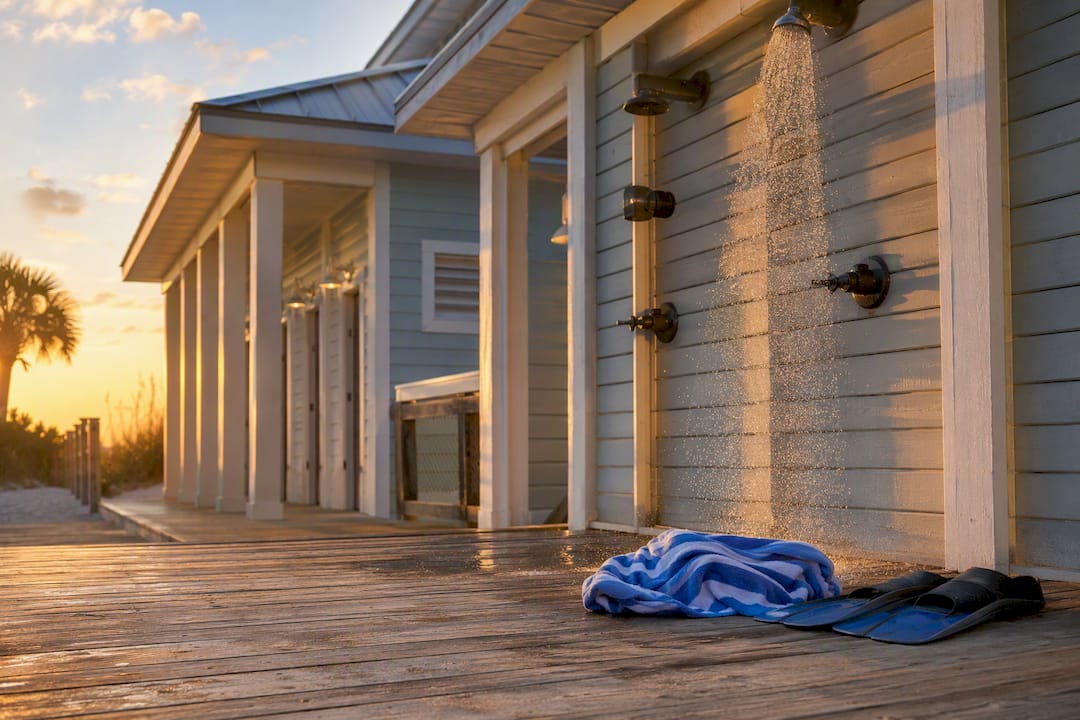
Gear rental shops cluster near the marinas and along the main routes into Orange Beach, so you’re rarely more than a short drive from a place to rent a mask and fins if you didn’t pack your own. Booking through a charter operator often solves this automatically, since most trips include gear in the price.
Food is easy to find near every major snorkel zone. Waterfront restaurants and casual seafood spots line the areas around Perdido Pass and the marinas, so a post-snorkel lunch is rarely more than a few minutes away. If you’re staying at a beachfront rental, many properties are within walking distance of casual dining, which saves you from driving anywhere with sandy kids in tow.
Protecting the Water You’re Swimming In
The reefs, grass beds, and wreck structures around Orange Beach support the marine life that makes snorkeling worth the trip, and a few habits keep them healthy for the next visitor. Standing on coral or wreck structure, even briefly to adjust a fin, can damage growth that took years to form. Keep hands and feet off anything living, and resist the urge to touch a ray or turtle even when it swims close.
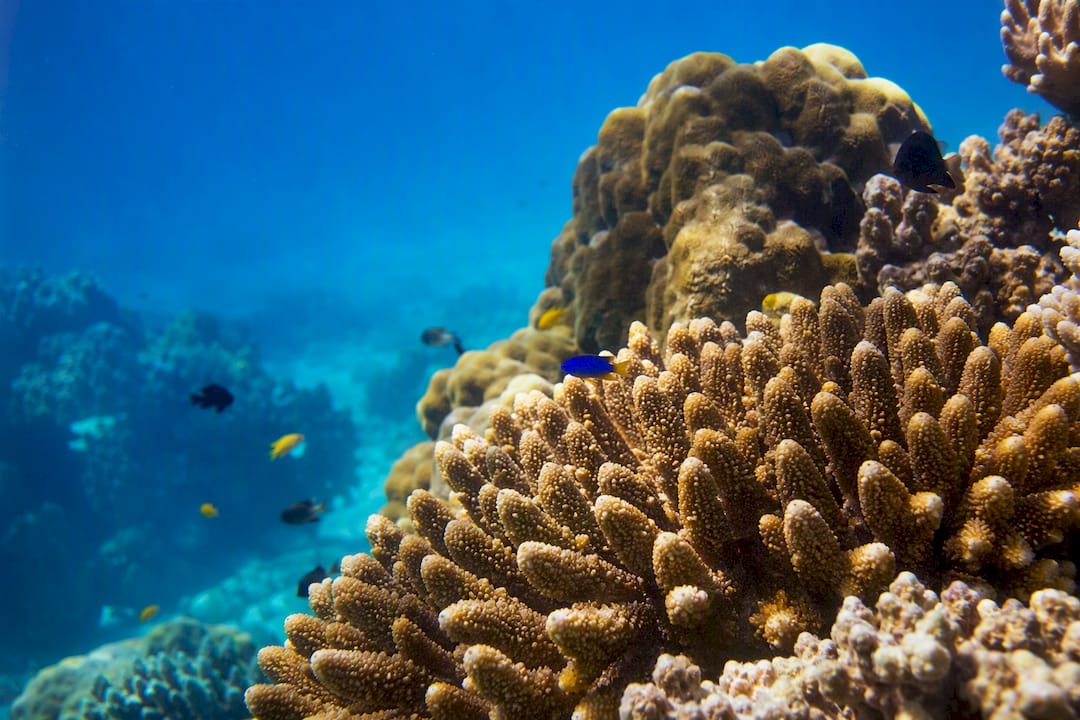
Reef-safe sunscreen matters more than most swimmers realize. Standard sunscreens contain chemicals linked to coral stress, and swapping to a mineral-based, reef-safe formula is a simple substitution that costs nothing extra in effort. Pack out everything you bring in, including cigarette butts and food wrappers that wash into the grass beds at Robinson Island.
Feeding fish might seem harmless, but it changes their natural foraging behavior and can concentrate them unnaturally around swimmers, which isn’t good for the fish or for water quality nearby. If you’re snorkeling near Robinson Island’s turtle grass, stick to the sandier patches when you need to stand, since the grass itself is a nursery habitat for the juvenile fish that make the site worth visiting in the first place.
What Actually Determines a Good Snorkel Day
Most advice about snorkeling in Orange Beach focuses on picking the “right” beach, and that’s backwards. The site matters far less than the tide, wind, and time of day, and treating a fixed location as the whole plan is where a lot of families end up disappointed in murky water at Alabama Point when Robinson Island was calm the same morning.
The conventional advice oversells the calendar and undersells the tide chart. Late spring through early fall is a reasonable seasonal window, but a poorly timed August afternoon with a stiff onshore wind will beat a well-timed October morning every time. If there’s one thing worth prioritizing above gear, sunscreen, or even site selection, it’s flexibility: book a guide who reads conditions that morning, or if you’re going it alone, check the wind and tide before you check which parking lot is closest.
Where the advice holds up well is on safety. The flag system and the two-red-flag rule aren’t bureaucratic overreach. They reflect real, fast-changing rip current risk that catches confident swimmers off guard every season.
— Joe
Book Family-Friendly Lodging Near the Best Snorkel Access
A vacation rental won’t run your snorkel charter or hand you a mask at the dock, but it can cut 20 minutes of driving down to a five-minute walk. Gulfshoresalabama’s marketplace lets you search directly for beachfront and Perdido Pass area properties, so your family spends less time in the car and more time in the water.
Filter your search for beachfront access, family-friendly amenities, and pet-friendly options if you’re bringing the dog along. Ground-floor units and buildings with gear storage make the daily gear-up routine easier with kids. Browse the full Gulf Shores vacation rental marketplace to compare options near Orange Beach’s top snorkel sites, or take a closer look at a beachfront property listing built for easy water access. Book your stay before the summer weeks fill up.
Sources
Recommended
About the Author
Joe Godar of the GulfShoresAlabama.com Editorial Team creates destination guides, vacation-planning resources, and local travel content focused on Gulf Shores, Orange Beach, and Fort Morgan, Alabama.
Our team researches Alabama Gulf Coast beaches, vacation rental trends, family activities, local attractions, restaurants, events, and direct-booking best practices. Every guide is created to help travelers plan more confidently, discover the best of the Alabama Gulf Coast, and avoid unnecessary third-party guest service fees.
GulfShoresAlabama.com is part of the Emerald Coast by Owner marketing family, connecting travelers directly with verified vacation rental hosts throughout the Gulf Coast since 2016.
This article was reviewed for accuracy and updated using local destination research and current Alabama Gulf Coast vacation rental market insights.