Gulf Shores hurricane season runs from June 1 through November 30, with the highest risk window falling between mid-August and mid-October and a statistical peak on September 10. Whether you own a beach house on Fort Morgan Peninsula or you’re booking a week at the beach next fall, the same rule applies: it only takes one storm to make a season destructive for your address, even in a year that NOAA calls “below-normal.”
Three things to do right now:
-
Check the current tropical outlook before you finalize travel dates or leave your property unattended.
-
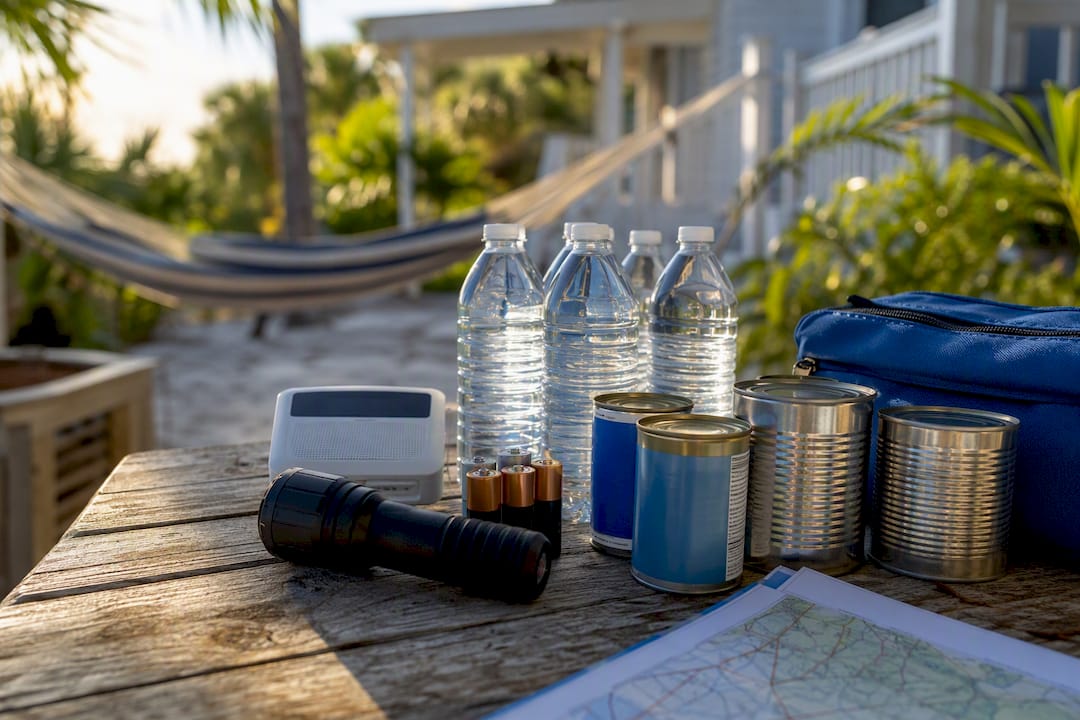
Put together a basic supply kit, even if nothing is brewing in the Gulf today.
-
Know your evacuation route and write it down, because cell service is the first thing to get shaky.
Key Takeaways
Gulf Shores hurricane season runs June 1 through November 30, and preparation matters most in the mid-August to mid-October window when major-hurricane risk peaks.
| Point | Details |
|---|---|
| Season dates are fixed | Official hurricane season runs June 1 to November 30, covering over 97% of tropical activity. |
| Peak risk window | Mid-August through mid-October carries the highest risk, with a statistical peak on September 10. |
| Evacuate on the watch, not the warning | Leave 24 to 36 hours before gale-force winds arrive, using Highway 59 or the Foley Beach Express. |
| No public shelters in Gulf Shores | The city relies on evacuation, not local shelters; Baldwin County EMA coordinates inland shelter sites when needed. |
| Flood insurance needs lead time | Flood policies carry a waiting period, so buy coverage before the season starts. |
Table of Contents
When Is Hurricane Season in Gulf Shores?
The official Atlantic hurricane season spans June 1 to November 30, a window chosen because it captures more than 97% of all tropical activity in the basin. That’s not a rounded-off estimate. It’s the reason insurance policies, city preparedness campaigns, and rental cancellation policies all key off those exact dates.
Climatology tells a more specific story within that window. The statistical peak lands on September 10, and most major-hurricane days cluster between mid-August and mid-October. A trip booked for the Fourth of July carries meaningfully lower storm risk than one booked for the second week of September.
-
June and early July: Storms form but rarely reach major-hurricane strength.
-
Mid-August through mid-October: Peak window for both frequency and intensity.
-
November: Activity drops off fast, though it doesn’t hit zero.
Travelers chasing the best time to visit Gulf Shores for calmer skies often land on late spring or early summer, trading a slightly higher chance of afternoon thunderstorms for a much lower chance of tropical trouble.
What Makes Gulf Shores Vulnerable to Storms?
Gulf Shores sits on a barrier peninsula, which means storm surge and flooding pose bigger threats than wind alone for much of the area. Low elevation along Fort Morgan Road and the areas nearest the Intracoastal Waterway push water inland fast during a surge event, even from storms that never reach Category 3.
Local risk breaks down into a few clear categories:
-
Storm surge: The dominant hazard for Gulf Shores, Orange Beach, and especially Fort Morgan, where elevation is lowest.
-
Inland flooding: Heavy rainfall bands can flood low-lying streets well away from the beach itself.
-
Wind damage: Roofing, awnings, and older mobile home structures take the brunt of it.
Since 1990, the northern Gulf Coast has absorbed direct hits and near-misses from storms of varying strength, and Baldwin County’s own preparedness materials treat surge, not wind speed alone, as the metric that determines evacuation zones. That history is exactly why local guidance leans so heavily on getting people and pets out of flood-prone areas early rather than waiting to see how strong a storm becomes.
Building Your Hurricane Season Preparedness Checklist
Whether you live in Gulf Shores year-round or you’re renting a condo for a week in September, the same basic prep applies. The goal is simple: be ready to go 72 to 120 hours without power, running water, or open grocery stores.
-
Water and food: One gallon of water per person per day for at least three days, plus non-perishable food that doesn’t need cooking.
-
Medications and documents: A week’s supply of prescriptions, plus copies of ID, insurance policies, and property deeds in a waterproof bag.
-
Power and light: Flashlights, batteries, a portable charger, and a car charger for your phone.
-
Pet supplies: Food, a leash, vaccination records, and a carrier if you have animals with you (check our pet travel guide for more on traveling with pets to the area).
-
Cash: ATMs and card readers stop working when the power grid goes down.
On the property side, trim dead tree limbs before the season starts, secure or bring in patio furniture and grills, and know where your storm shutters or plywood are stored. Sandbags help with minor flooding but won’t stop storm surge.
Pro Tip: Sign up for AlertBaldwin or the City of Gulf Shores’ NotifyMe system now, not when a storm is already in the forecast. Sign-up pages sometimes slow down under heavy traffic right before landfall.
Renters carry one extra responsibility: ask your host directly about their evacuation plan before you arrive, not after a watch is issued. If you’re staying somewhere with limited cell coverage, a battery-powered NOAA Weather Radio is worth the $20.
When Should You Evacuate, and Which Routes Should You Use?
A hurricane watch means conditions are possible within 24 to 36 hours; a warning means they’re expected within 12 to 24 hours. The National Weather Service recommends leaving 24 to 36 hours before gale-force winds arrive, which in practice means moving when the watch is issued, not when the warning comes.
Evacuation priority typically includes mobile and manufactured homes; low-lying areas and places south of Highway 98; and Fort Morgan Peninsula residents and visitors due to exposure and limited exits.
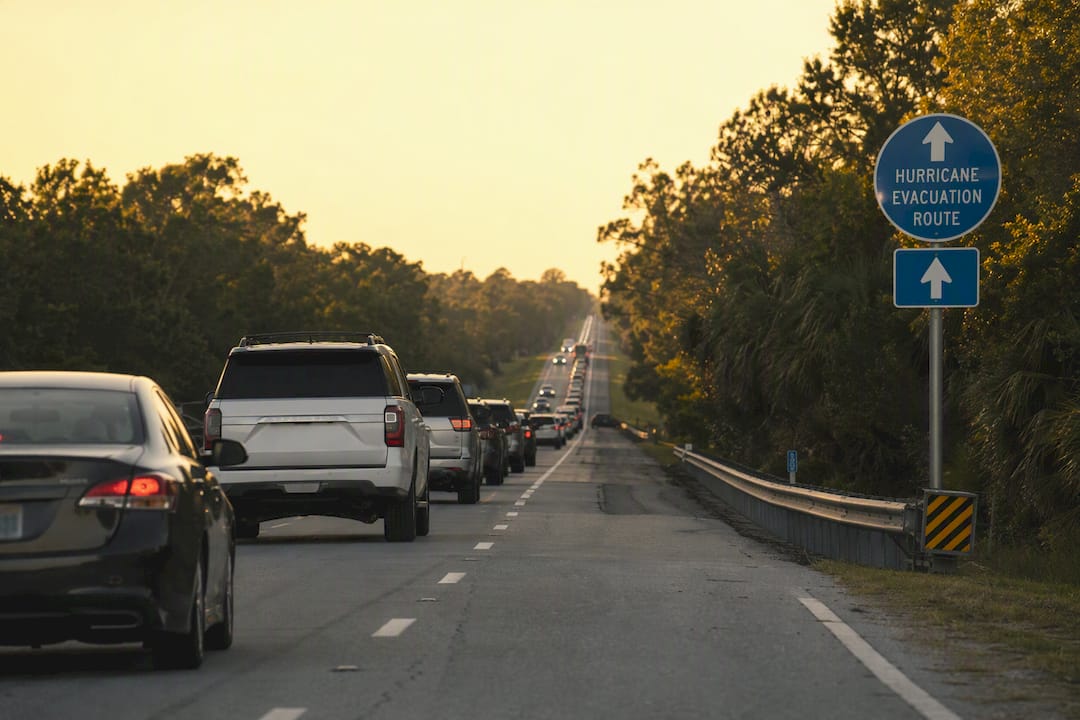
Primary routes off the peninsula are Highway 59 and the Foley Beach Express, both of which back up fast once an evacuation order goes out. Leave early and you avoid the worst of it. Gulf Shores issues re-entry decals to residents so they can return once roads reopen, but the city does not operate public shelters within its limits, so your evacuation plan needs a real destination, not just an exit route.
Where Should You Get Storm Updates?
Don’t rely on a single app or feed. Follow NOAA and the National Hurricane Center for the official forecast track, and pair it with the NWS Mobile/Pensacola office for local timing specifics. Layer in the City of Gulf Shores’ emergency pages and Baldwin County EMA for evacuation orders, then sign up for AlertBaldwin or NotifyMe so alerts reach your phone directly.
A NOAA Weather Radio matters more than people expect, since cell towers and internet service are often the first things to fail during a storm. When a watch is issued, start your prep and confirm your route. When a warning follows, execute your plan immediately rather than waiting for a mandatory order that may come later than you’d like.
Planning a Trip During Hurricane Season?
Booking a Gulf Shores stay between August and October doesn’t mean canceling your plans, but it does mean planning smarter. Look for refundable rates or add travel insurance if you’re booking during peak-risk months, and check the tropical outlook a few days before you leave home.
Before you arrive, ask your host or property manager three things: what’s their evacuation plan, who’s the local emergency contact, and what’s the cancellation or refund policy if a storm forces a change. Good hosts already have this written down. You can browse listings and message owners directly through Gulf Shores vacation rentals before you book, which makes it easy to ask these questions up front.
Once you’re on the ground, stock up early using local grocery delivery services rather than waiting until shelves empty out ahead of a storm. If you do need to evacuate, tell your host or property manager where you’re headed. It keeps everyone informed and makes the re-entry process smoother once conditions clear. For general trip-timing context, some UK-focused hurricane season overviews cover similar seasonal patterns across the wider Atlantic basin.
How Do Hosts and Listings Support Guest Safety?
The best Gulf Shores rental listings do more than show photos of the pool. They spell out elevation details, flood history, and what happens if a storm threatens during your stay. That transparency matters more here than in most vacation markets, given how much local risk depends on a property’s exact location relative to the water.
Before booking, guests should ask for three things: a written evacuation plan, a local emergency contact who isn’t three states away, and a clear cancellation or refund policy tied to storm activity. Hosts who prep well typically trim trees ahead of season, secure loose outdoor furniture, and reach out to guests directly the moment a watch is issued rather than waiting for a warning.
-
Ask about the property’s elevation and flood zone before booking.
-
Request the host’s direct contact number, not just a booking platform message thread.
-
Confirm whether the listing links to city or county emergency pages for updates.
Pro Tip: A host who proactively messages you about an approaching storm, rather than waiting for you to ask, is usually the same host who keeps the property well maintained year-round.
What Happens After a Hurricane Passes Through?
Recovery starts with information, not cleanup. Once local officials lift evacuation orders, the City of Gulf Shores posts re-entry instructions and any road closures on its emergency management pages, and Baldwin County EMA follows with damage assessment updates for unincorporated areas.
For residents and property owners, the immediate priorities are documenting damage with photos before touching anything, contacting your insurance carrier, and checking utility restoration timelines through Alabama Power and local water authorities. FEMA’s Individual Assistance program becomes available when a federal disaster declaration covers Baldwin County, and applications run through DisasterAssistance.gov rather than through city offices.
Debris removal typically follows a set schedule announced by the city, with separate pickup windows for storm debris versus regular household trash. Trying to haul debris to the curb before the announced schedule usually means it sits there longer, not shorter.
Renters and vacation guests displaced by a storm should contact their booking host or property manager directly for updates on the property’s condition and any rebooking or refund options. Most reputable hosts communicate proactively once they’ve had a chance to assess damage, and the City of Gulf Shores’ own hurricane preparedness page stays updated with recovery resources and contact numbers throughout the aftermath period. Baldwin County EMA also maintains a public information line for residents who need guidance on shelters, supply distribution points, or safety inspections before returning to storm-damaged neighborhoods.
Do You Have the Right Insurance for Hurricane Damage?
Standard homeowners and renters insurance policies do not cover flood damage, which matters enormously in a storm-surge-prone area like Gulf Shores. Flood coverage requires a separate policy, typically through the National Flood Insurance Program or a private flood carrier, and there’s usually a 30-day waiting period before a new flood policy takes effect. Buying coverage after a storm is already in the forecast is generally too late.
Wind damage is usually covered under a standard homeowners policy, but many coastal Alabama policies carry a separate hurricane deductible that kicks in specifically for named storms, often higher than your regular deductible. Read your policy’s declarations page to find that number before storm season starts, not during it.
For vacation rental owners, a landlord or dwelling policy needs to specifically address short-term rental use, since a standard homeowners policy may exclude damage that occurs while the property is being rented to guests. Guests booking a stay should consider travel insurance that covers weather-related trip cancellation, particularly for trips booked during the August through October window.
A few practical steps worth taking before the season ramps up:
-
Photograph and inventory your property’s contents for a faster claims process.
-
Confirm your flood policy is active, not just requested, well before June 1.
-
Ask your insurance agent directly whether your hurricane deductible is a flat dollar amount or a percentage of your dwelling coverage, since percentage-based deductibles on beachfront property can run into thousands of dollars.
Where Can You Shelter During a Hurricane Threat?
Gulf Shores does not operate public storm shelters within the city, which is the single most misunderstood point in local hurricane planning. The city’s guidance is built around evacuation, not sheltering in place, particularly for anyone in a mobile home, a flood-prone zone, or south of Highway 98 during a major storm.
Baldwin County EMA coordinates shelter locations that typically open further inland, away from the coastal flood zones, when a storm approaches. These shelter openings get announced through AlertBaldwin, the county EMA’s own channels, and local news well ahead of landfall, but they are not fixed locations you can plan around months in advance since site availability depends on the specific storm.
For residents who own a well-elevated, structurally sound home outside a surge zone, some choose to shelter in place for lesser storms, but this decision should follow official guidance for that specific event rather than a blanket rule. Vacation guests should never plan to shelter in a rental property during an evacuation order. The safest approach for both residents and visitors is the same: build your evacuation plan around leaving the area entirely, using Highway 59 or the Foley Beach Express early, and treat inland shelter as a backstop that county officials will direct you toward if you need it, not a first option.
Where to Follow Storm Updates and Official Guidance
Bookmark these before the season starts:
-
NOAA and the National Hurricane Center for forecasts and storm tracks.
-
The City of Gulf Shores’ Hurricane Preparedness Guide for local orders and decals.
-
Ready for federal emergency-kit checklists.
Book Your Stay With Storm Season in Mind
Every part of this guide points to the same conclusion: preparation beats reaction, whether you own a beach house or you’re booking one week in September. If you’re planning a Gulf Shores trip during hurricane season, the best move is booking with a host who communicates clearly about property elevation, evacuation plans, and refund policies before you ever pack a bag.
Browse available Gulf Shores, Orange Beach, and Fort Morgan vacation rentals and message owners directly with your questions about storm readiness. Properties like this Gulf Shores rental and this nearby listing let you review host details and communicate directly before you commit to dates. Direct communication with the person who actually owns or manages the property is the single best tool you have for a safe, well-informed hurricane season stay.
Perspective: What This Season Actually Demands of You
Most hurricane season content treats preparedness as a one-time checklist you complete in May and forget until October. That’s backwards. The real skill is treating every watch as an action trigger rather than a wait-and-see moment, because the 24-to-36-hour evacuation window only works if you move when it opens, not when a warning forces your hand.
The conventional advice also underplays how much seasonal outlooks mislead people. A below-normal forecast from NOAA sounds like permission to relax, but that framing misses the point entirely: one storm hitting Fort Morgan Peninsula in a “quiet” year does exactly the same damage as one storm hitting during a busy year. Climatology tells you when to pay closer attention, not whether to bother preparing at all.
If you take one thing from this guide, make it this: your evacuation route and your host’s emergency contact matter more than any supply list. Water and batteries are replaceable. A missed evacuation window is not.
Sources
Recommended
About the Author
Joe Godar of the GulfShoresAlabama.com Editorial Team creates destination guides, vacation-planning resources, and local travel content focused on Gulf Shores, Orange Beach, and Fort Morgan, Alabama.
Our team researches Alabama Gulf Coast beaches, vacation rental trends, family activities, local attractions, restaurants, events, and direct-booking best practices. Every guide is created to help travelers plan more confidently, discover the best of the Alabama Gulf Coast, and avoid unnecessary third-party guest service fees.
GulfShoresAlabama.com is part of the Emerald Coast by Owner marketing family, connecting travelers directly with verified vacation rental hosts throughout the Gulf Coast since 2016.
This article was reviewed for accuracy and updated using local destination research and current Alabama Gulf Coast vacation rental market insights.