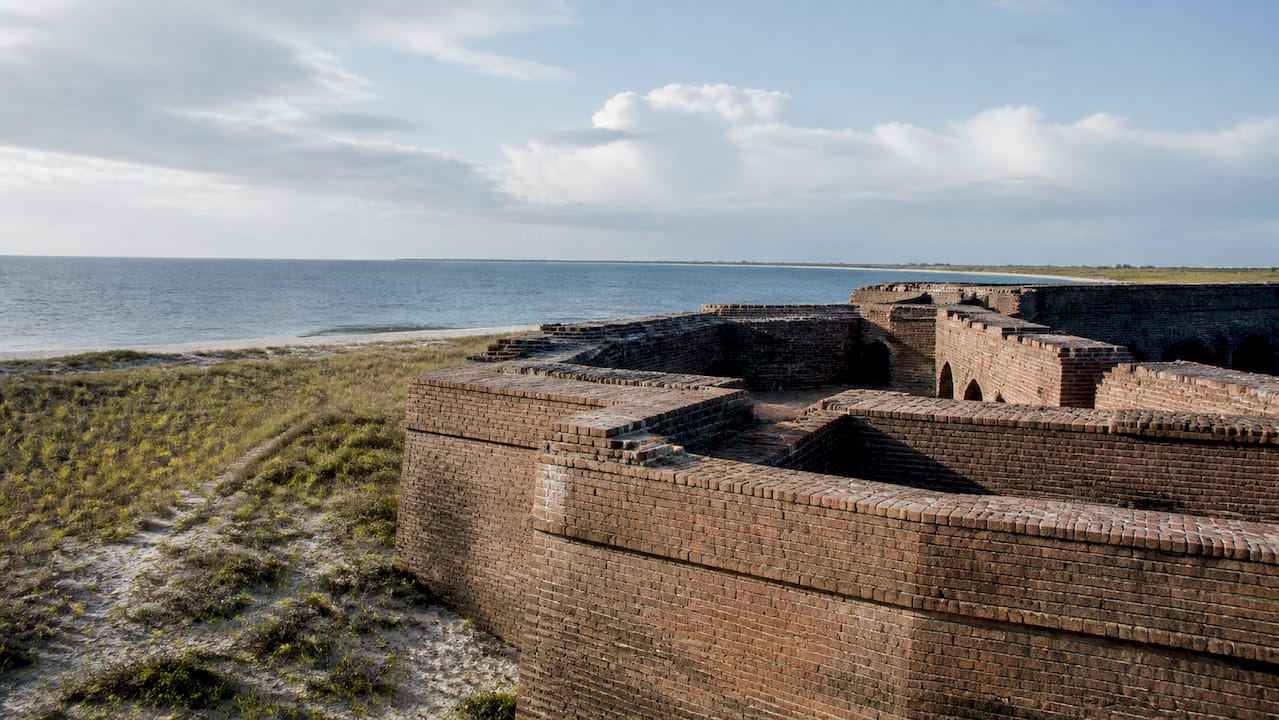
Fort Morgan, Alabama packs a surprising amount into one narrow peninsula: a National Historic Landmark that shaped Civil War naval history, sugar-white beaches perfect for shelling and sunsets, world-class migratory birding at Bon Secour National Wildlife Refuge, a scenic 40-minute ferry crossing over Mobile Bay, and fishing charters that put you on open water within minutes of shore. If you only have a half-day, pair the historic fort with an afternoon on the beach. A full day opens up the refuge trails, a charter, or the ferry ride itself.
Top Fort Morgan activities at a glance:
-
Fort Morgan State Historic Site
-
Beach swimming, shelling, and sunsets
-
Bon Secour National Wildlife Refuge (birding, trails, kayaking)
-
Mobile Bay Ferry crossing
-
Fishing and dolphin-watching charters
-
Guided history and ghost tours
-
Sunset cruises
Table of Contents
-
What are the best things to do at Fort Morgan State Historic Site?
-
What beach activities does the Fort Morgan peninsula offer families?
-
Are fishing charters and boat tours worth booking from Fort Morgan?
-
Why do birders specifically target Fort Morgan in spring and fall?
-
What practical details do you need before visiting Fort Morgan?
What are the best things to do at Fort Morgan State Historic Site?
Fort Morgan State Historic Site is worth every minute of your time, and most visitors say it’s the single best attraction on the peninsula. The star-shaped brick fortification dates to 1834 and earned its place in American history during the Battle of Mobile Bay in August 1864, when Admiral David Farragut reportedly shouted, “Damn the torpedoes, full speed ahead!” That moment effectively sealed the Confederacy’s last major Gulf port.
On-site, you can walk the massive masonry ramparts, explore the interior casemates and powder magazines, and tour the on-site museum, which holds weapons, uniforms, and artifacts from multiple conflicts the fort witnessed. Interpretive signage throughout the grounds adds context without requiring a guide, though ranger-led tours are available seasonally and worth booking if your group wants the full story.
Visitor logistics to know before you go:
-
Hours and ticket prices are managed by the Alabama Historical Commission; check the site before your visit for current pricing and seasonal hours.
-
Military and Blue Star families receive free admission, a meaningful benefit for the many active-duty and veteran families who visit.
-
Family pricing is available; the Plan Your Visit page also covers Scout camping (by permission only) and special event contacts.
-
Accessibility note: the outer grounds and museum are partially accessible, but the original masonry staircases inside the fort are steep and uneven. Visitors with mobility concerns should plan for the museum and lower grounds rather than the upper ramparts.
Allow 1.5 to 2 hours for a thorough visit. Families with young children can cover the highlights in about an hour.
How do you get to Fort Morgan: drive or take the ferry?
Both options work well, and the right choice depends on where you’re starting.
Driving via Highway 180 is the straightforward route if you’re coming from Gulf Shores or Orange Beach. The peninsula road runs west along the coast and delivers you directly to the fort and beaches with no schedule to worry about.
The Mobile Bay Ferry is the scenic choice if you’re coming from the Dauphin Island or Mobile side of the bay. The crossing takes approximately 40 minutes and offers open-water views of both Fort Morgan and Fort Gaines, making it a genuine attraction in itself. The ferry schedule varies by season, with more frequent crossings running from Memorial Day weekend through Labor Day, so check it before you leave.
A few things to know about ferry boarding:
-
Vehicles board on a first-come, first-served basis with no advance online ticketing for standard vehicles.
-
Tickets are purchased in person at the dock.
-
Save your receipt if you plan a same-day return trip.
-
Call 251-861-3000 for last-minute schedule updates or weather-related changes.
-
The ferry also runs a walk-on passenger option if you prefer to leave your car behind.
Pro Tip: Arrive at the ferry dock at least 30 minutes early on summer weekends. Vehicle lines fill quickly during peak season, and missing a crossing can cost you an hour or more of your day.
What beach activities does the Fort Morgan peninsula offer families?
The beaches along the Fort Morgan peninsula are quieter and less crowded than those closer to Gulf Shores, which is exactly why families keep coming back. You can combine a short fort visit in the morning with a relaxed afternoon on the beach without ever moving your car.
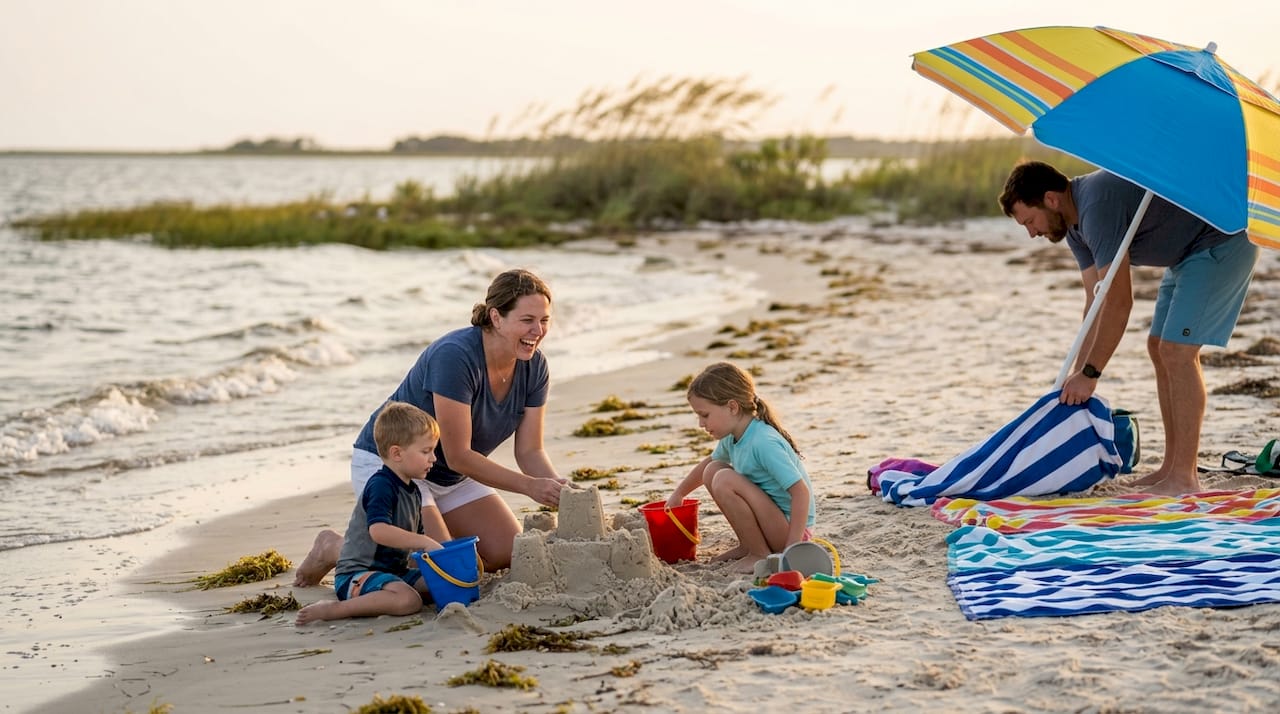
Common family activities here include swimming in the Gulf, collecting shells (the peninsula’s western tip is particularly productive after storms), building sandcastles, and watching the sun drop over Mobile Bay from the eastern shore for a sunset that faces the water rather than the open Gulf.
Beach safety points every visitor should know:
-
Many stretches of the Fort Morgan peninsula have no lifeguards on duty. Swim near other people and watch children closely.
-
Rip currents are a real hazard along the Alabama Gulf Coast. If caught in one, swim parallel to shore rather than fighting it directly.
-
Sea turtle nesting season runs from May through October. Stay off marked nests and avoid flashlights or flash photography near the waterline at night.
-
Parking fills fast at popular access points on summer weekends; arrive before 9 AM to secure a spot.
Pro Tip: The best shelling happens early in the morning or in the 24 hours following a storm. Bring a mesh bag and check the tide chart the night before.
For casual dining after a beach day, the Fort Morgan Road corridor has a handful of seafood spots and delis. Packing a cooler with sandwiches and cold drinks is also a practical move, especially for families who want to stay on the beach through lunch.
Are fishing charters and boat tours worth booking from Fort Morgan?
For anglers and wildlife watchers, yes. Shore fishing is productive, but a charter puts you on species and spots you simply can’t reach from the beach. The waters around Fort Morgan and the mouth of Mobile Bay hold red snapper, amberjack, cobia, and speckled trout depending on the season, and dolphin sightings on the bay side are common year-round.
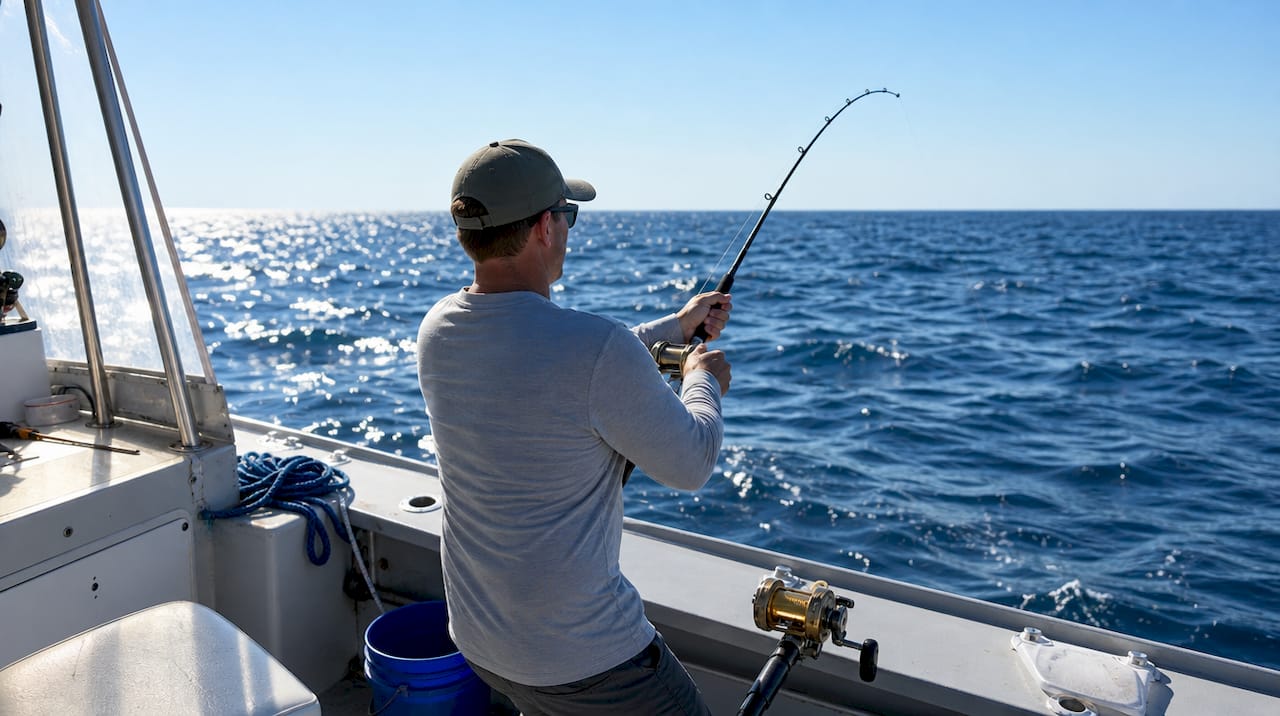
Types of water outings available from the Fort Morgan area include half-day and full-day fishing charters, dolphin-watching tours, sunset cruises, and private group charters. For a broader look at how regional guided water experiences are structured, the scenic Florida Panhandle tour formats offer useful context on what to expect from half-day versus full-day outings.
Before you book a charter:
-
Reserve in advance during June through August; popular captains fill weeks out.
-
Check recent reviews on TripAdvisor or Google to confirm the operator’s track record.
-
Ask what’s included: bait, tackle, fishing licenses, and fish cleaning vary by operator.
-
Confirm the cancellation policy in case of weather.
On the water, be prepared:
-
Wear a properly fitted personal flotation device when required by the captain.
-
Apply reef-safe sunscreen before boarding and reapply every two hours.
-
Bring water and snacks; dehydration happens fast on open water.
-
If you’re prone to seasickness, take medication the night before rather than the morning of.
Pricing generally follows a half-day versus full-day model, with private charters running higher than shared-boat options. Get a written quote that specifies what’s included before you commit.
Why do birders specifically target Fort Morgan in spring and fall?
Fort Morgan and Bon Secour sit at the tip of a peninsula that juts into the Gulf of Mexico, making them a critical first landfall for neotropical migratory songbirds crossing the Gulf in spring. After an overnight flight of 500 or more miles over open water, exhausted warblers, tanagers, orioles, and buntings drop into the first trees they find, which are often right here. Fall migration reverses the pattern, with birds funneling south along the peninsula before crossing.
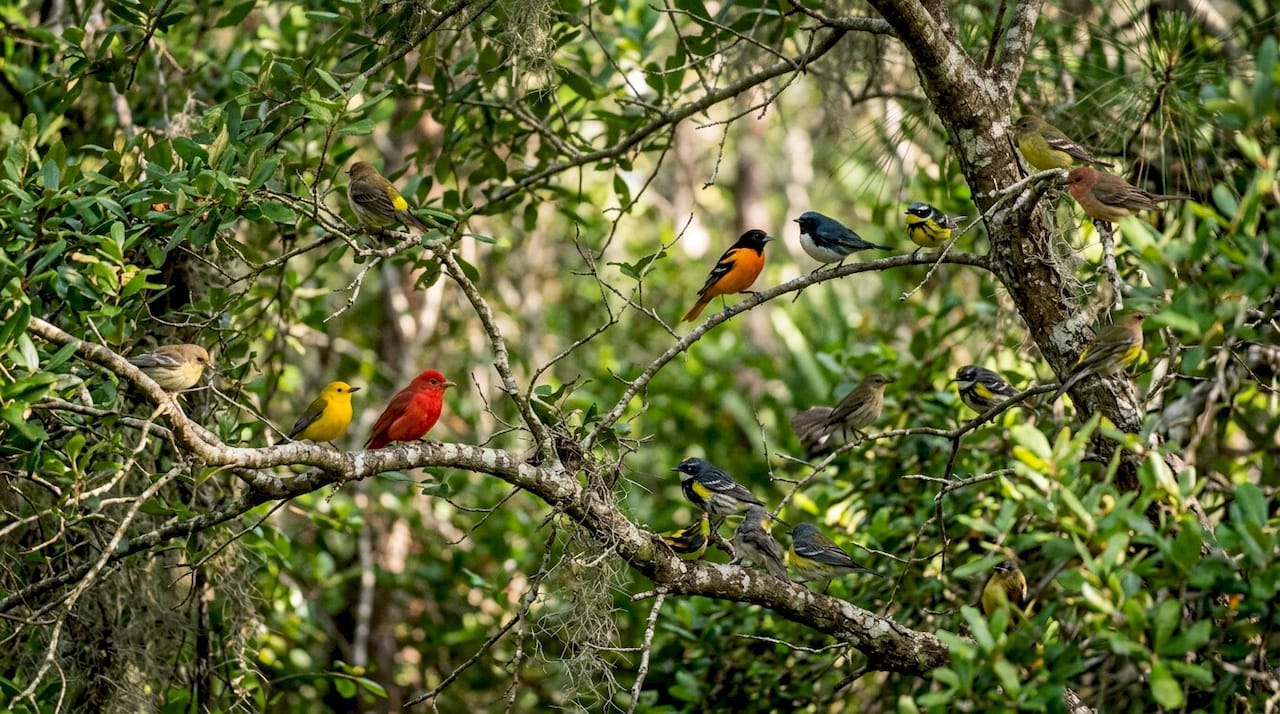
Spring migration peaks roughly from late March through mid-May. Fall runs from August through October, with shorebirds arriving earlier and warblers peaking in September and October. Early morning visits, typically before 9 AM, produce the highest activity.
Ethical birding guidelines for the refuge:
-
Stay on marked trails to protect dune vegetation and nesting habitat.
-
Keep a respectful distance from any nest or brooding bird; use binoculars rather than approaching.
-
Never use flash photography near sea turtle nests at night.
-
Pack out everything you bring in; leave no trace on dune and scrub habitats.
-
Follow all refuge signage, especially in areas marked as restricted during nesting season.
Pro Tip: Stop at the Bon Secour refuge visitor center on your way in. Staff and volunteers post current sighting lists and can point you to the most active spots that morning.
Local contacts for real-time wildlife updates include the refuge visitor center and the Friends of Bon Secour National Wildlife Refuge at bonsecourfriends.org.
What practical details do you need before visiting Fort Morgan?
| Item | Details |
|---|---|
| Fort Morgan hours | Managed by the Alabama Historical Commission; check ahc.alabama.gov for current seasonal hours before your visit |
| Fort Morgan tickets | Ticketed admission with family pricing; free for military/Blue Star families; purchase on-site |
| Mobile Bay Ferry | Approximately 40-minute crossing; first-come, first-served for vehicles; call 251-861-3000 for updates; check schedule online |
| Bon Secour Refuge trails | Open sunrise to sunset; foot traffic only; no bicycles; visitor center provides maps |
| Parking | Arrives fast at peak access points; plan to arrive before 9 AM on summer weekends |
| Accessibility | Fort Morgan museum and lower grounds are partially accessible; interior staircases are steep |
Safety reminders before you go:
-
Check the National Weather Service forecast for coastal Alabama; afternoon thunderstorms are common in summer.
-
Apply broad-spectrum sunscreen and reapply every two hours; UV exposure is intense on open beaches and refuge trails.
-
Heed rip current flags at beach access points; conditions change quickly.
-
Respect sea turtle nesting markers from May through October; disturbance is illegal under federal law.
-
The nearest full-service medical facility is in Gulf Shores or Foley; know the route before you need it.
What itinerary works best for your Fort Morgan visit?
The right plan depends almost entirely on how much time you have.
Half-day (3–4 hours): Start at Fort Morgan State Historic Site when it opens; allow 90 minutes for the fort and museum. Drive to the nearest beach access point for the remaining time. This combination covers the two most popular activities and works well for families with young children or visitors with limited mobility.
Full-day with nature focus: Take the Mobile Bay Ferry from Dauphin Island in the morning, arriving at Fort Morgan by mid-morning. Spend 90 minutes at the fort, then drive to Bon Secour for a trail walk (Jeff Friend or Pine Beach Trail). Finish with a beach sunset on the Gulf side. Pack lunch; dining options on the peninsula are limited.
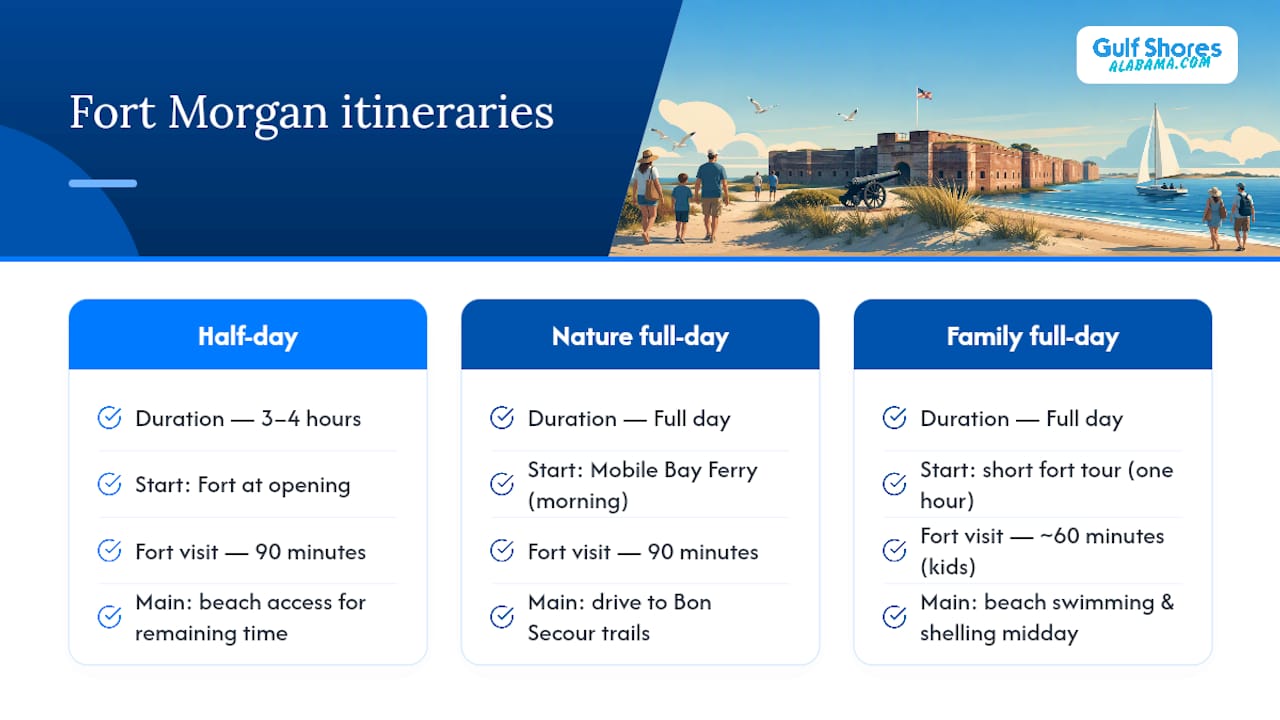
Family full-day: Open with a short fort tour (one hour is enough for younger kids). Move to a beach access point for swimming and shelling through midday. Afternoon options include the Gator Lake Trail at Bon Secour (short, shaded, and genuinely exciting for kids who spot alligators) or a dolphin-watching charter. Aim for an early dinner at a local seafood spot before the drive back.
A few timing notes: the fort is best visited in the morning before heat peaks in summer. Birding at Bon Secour is most productive before 9 AM. Most fishing charters depart at first light, typically 6 to 7 AM, so book those for the start of your day and plan other activities around them.
Where can you eat near Fort Morgan?
Dining options on the Fort Morgan peninsula itself are limited, so planning ahead matters. The Fort Morgan Road corridor has a small number of casual seafood restaurants and convenience-style delis that work well for a quick lunch or early dinner. Fresh Gulf shrimp, oysters, and fish sandwiches are the local staples worth ordering.
For a wider selection, Gulf Shores is roughly 20 miles east and offers waterfront seafood restaurants, casual bars, and family-friendly spots that cover every budget. Many visitors pack a cooler for beach and refuge days, which is both practical and cost-effective, especially for families who want to stay out all day without breaking for a restaurant.
A few picnic-friendly spots worth noting: the grounds near Fort Morgan’s parking area have shaded areas suitable for a quick lunch, and the Pine Beach Trail at Bon Secour ends at a quiet beach that makes an ideal picnic stop if you carry everything in.
Key Takeaways
Fort Morgan’s best visits combine the historic site, at least one nature experience at Bon Secour, and a beach afternoon, with the Mobile Bay Ferry adding scenic value for those approaching from the Dauphin Island side.
| Point | Details |
|---|---|
| Prioritize the fort and beach | A half-day covering Fort Morgan State Historic Site and a beach stop covers the two most popular activities efficiently. |
| Ferry logistics matter | The Mobile Bay Ferry runs first-come, first-served for vehicles; arrive early on summer weekends and save your receipt for same-day returns. |
| Bon Secour hosts 370+ bird species | The refuge trails are foot-traffic only and open sunrise to sunset; the Jeff Friend Trail also offers a kayak launch onto Little Lagoon. |
| Spring and fall are peak birding windows | Neotropical migrants arrive in force from late March through mid-May and again August through October; early morning visits yield the most activity. |
| Gulfshoresalabama for accommodations | Browse Fort Morgan and Gulf Shores vacation rentals on Gulfshoresalabama to find beachfront condos, pet-friendly homes, and family properties with direct owner booking. |
The part of Fort Morgan most visitors miss
Most first-timers spend their entire visit at the fort and the beach, which are both excellent. But the visitors who come back every year almost always mention Bon Secour as the reason. There’s something genuinely surprising about walking into a maritime forest on the same peninsula as a Civil War fort and finding yourself surrounded by migrating warblers in April. The two experiences feel like they belong in different states, and that contrast is what makes Fort Morgan worth a full day rather than a quick stop.
One practical tip that doesn’t appear on any official page: if you’re visiting in summer, do the refuge trails first thing in the morning and save the beach for the afternoon. The dune trails at Bon Secour are exposed and sandy, and by 10 AM in July they’re genuinely uncomfortable. The beach, by contrast, gets a sea breeze that makes the afternoon heat manageable. Flip that order and you’ll spend the hottest part of the day on an exposed trail with no shade.
Where to stay for easy access to Fort Morgan
Fort Morgan sits at the western tip of Alabama’s Gulf Coast, and staying nearby means you can hit the fort at opening time, spend the afternoon at Bon Secour, and still be back at your rental for a Gulf sunset without a long drive.
Gulfshoresalabama lists beachfront condos, private beach homes, and pet-friendly cottages across Fort Morgan, Gulf Shores, and Orange Beach, with direct booking through property owners and no guest service fees. You can filter by property type, pet policy, and group size to find the right fit quickly.
-
Beachfront condos with Gulf views and shared pools, ideal for couples and small families
-
Private beach homes with private pools, perfect for larger groups or extended stays
-
Pet-friendly Fort Morgan rentals for travelers bringing dogs along for the trip
-
Properties ranging from budget-friendly to full luxury, with options for every group size
Browse available Fort Morgan and Gulf Shores vacation rentals on Gulfshoresalabama and contact owners directly to confirm availability for your dates.
Official links and sources to check before you go
Confirm hours, buy tickets, and check schedules directly from these official sources before your visit:
-
Bon Secour National Wildlife Refuge - U.S. Fish & Wildlife Service
-
Visiting Bon Secour National Wildlife Refuge - U.S. Fish & Wildlife Service
-
Bon Secour National Wildlife Refuge - Friends of Bon Secour National Wildlife Refuge
Always check the ferry’s Facebook page or call ahead on the day of travel; weather and maintenance can affect the schedule without advance notice.
Recommended
About the Author
Joe Godar of the GulfShoresAlabama.com Editorial Team creates destination guides, vacation-planning resources, and local travel content focused on Gulf Shores, Orange Beach, and Fort Morgan, Alabama.
Our team researches Alabama Gulf Coast beaches, vacation rental trends, family activities, local attractions, restaurants, events, and direct-booking best practices. Every guide is created to help travelers plan more confidently, discover the best of the Alabama Gulf Coast, and avoid unnecessary third-party guest service fees.
GulfShoresAlabama.com is part of the Emerald Coast by Owner marketing family, connecting travelers directly with verified vacation rental hosts throughout the Gulf Coast since 2016.
This article was reviewed for accuracy and updated using local destination research and current Alabama Gulf Coast vacation rental market insights.